
VALORANT PC Builds Without Wasted Headroom
Choose a VALORANT PC for 144Hz, 240Hz, or 360Hz play by balancing CPU speed, GPU headroom, memory, thermals, and budget for smooth competitive matches.
open --guide-setups READY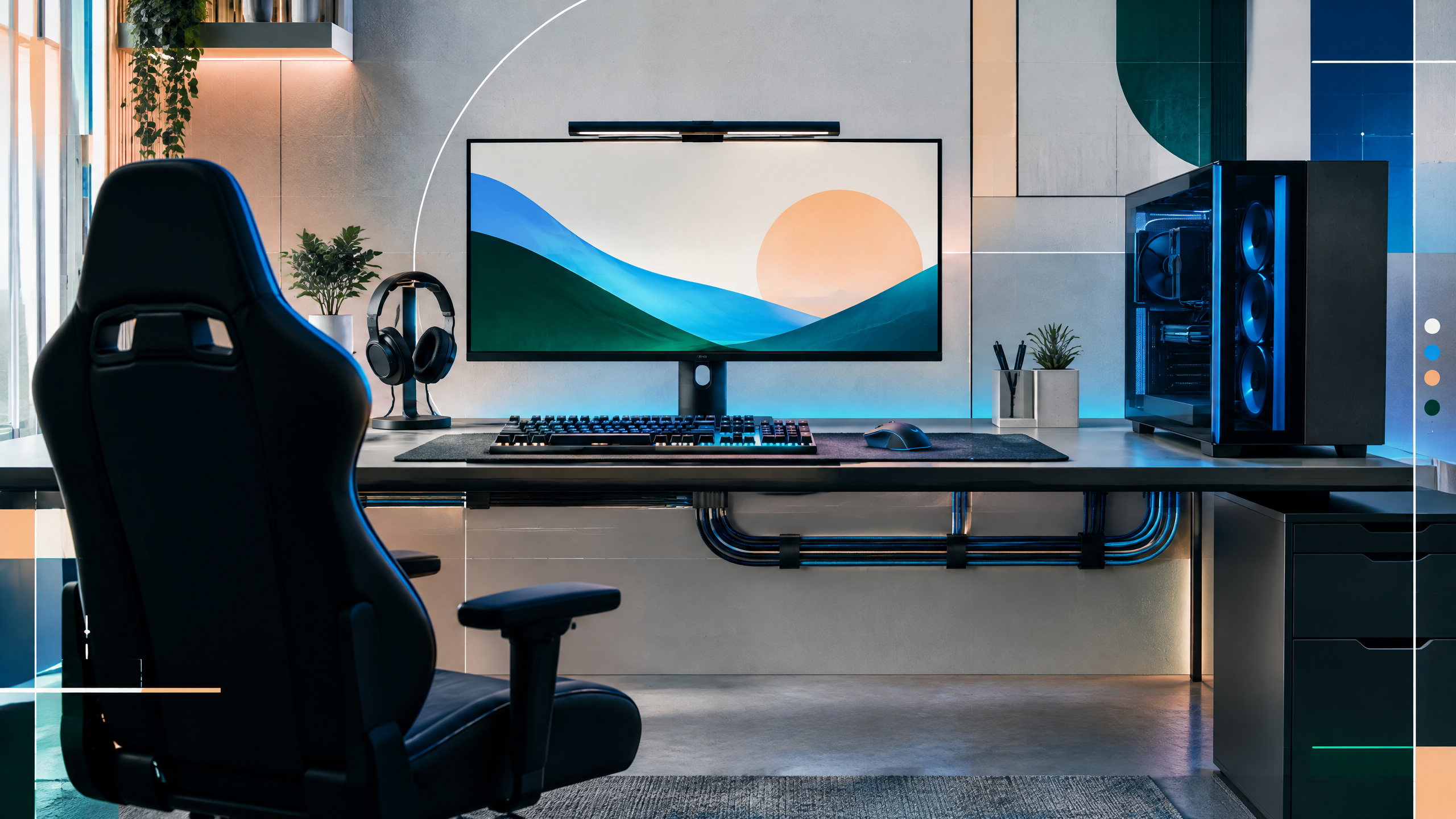
VALORANT is lightweight enough that smart component balance beats an extravagant parts list for most players. We will build practical tiers around 144Hz, 240Hz, and enthusiast targets, explaining the roles of CPU speed, GPU headroom, memory, storage, cooling, and power. The result should be a flexible starting point that respects local pricing and leaves room for future games or monitor upgrades.
The rest of the setup shapes every session. Desk depth, seating fit, hardware balance, thermals, cables and long-session comfort deserve the same deliberate attention as in-game settings.
Set a realistic refresh-rate target
Pick a refresh-rate target that fits your monitor and playstyle; 144Hz is a common sweet spot, while 240Hz and higher demand progressively stronger CPU performance. Be realistic about how much frame-rate you can perceive and maintain under competitive conditions, and avoid spending budget on headroom you won’t utilize. Set expectations so component choices reflect the refresh target and the potential for upgrading the monitor later without wasting money now.
Why CPU choice matters more than a flagship GPU
VALORANT favors CPU responsiveness over raw GPU horsepower because its engine emphasizes low-latency simulation and draw-call efficiency. Choose a CPU with strong single-thread performance to minimize frame spikes during ability-heavy rounds. A modest GPU that comfortably exceeds your refresh target is sufficient; excessive GPU headroom delivers diminishing returns. Balance memory and storage to reduce stutters from asset streaming and background tasks.
Budget, performance, and enthusiast part tiers
For budget builds, prioritize CPU speed and adequate integrated or entry discrete graphics with fast RAM in dual-channel. Performance-tier systems should balance a higher-clocked CPU with a midrange GPU and NVMe storage. Enthusiast setups justify a top CPU and a strong GPU only if you plan to use very high refresh monitors or other demanding titles. Ensure motherboard VRMs and the PSU can support future CPU or GPU upgrades without replacement.
Quiet cooling and sensible upgrade paths
Quiet cooling and sensible upgrade paths preserve competitive focus and long-term value. Select coolers and case airflow that keep fan noise low while preventing thermal throttling during extended sessions. Leave motherboard and PSU headroom for an easy component swap later. Validate the system under in-match conditions to tune background processes, power profiles, and in-game settings for the lowest consistent latency and frame-time variance.
Field check
Before you keep this choice, run the following short check in your own setup:
- Measure the desk, chair or component before shopping.
- Prioritize stability, thermals and comfort over decorative extras.
- Recheck current pricing, warranty and compatibility before buying.
Validate before you settle
Before buying, verify local availability and recent in-game performance data for systems targeting your chosen refresh rate. Emphasize CPU responsiveness, dual-channel memory, and thermal headroom rather than raw GPU overkill. Plan for incremental upgrades and test systems in competitive rounds to ensure consistent frametimes and acceptable noise.
Source and next route
This PlayerCFG field note is original editorial copy built from public settings and gear research. It does not reproduce the source article. For the underlying reference, visit Best PC for VALORANT – The Best Prebuilt and Custom Options .
DATA NOTELast modified Jun 17, 2025; VALORANT patches, drivers, BIOS compatibility, component pricing, and prebuilt stock may alter the recommendation. Recheck current frame-time data. The hero image is found remotely on ProSettings; license it or replace it with original photography. PlayerCFG is not affiliated with the referenced publisher, game studio or hardware brand.
OPEN VALORANT INDEX